
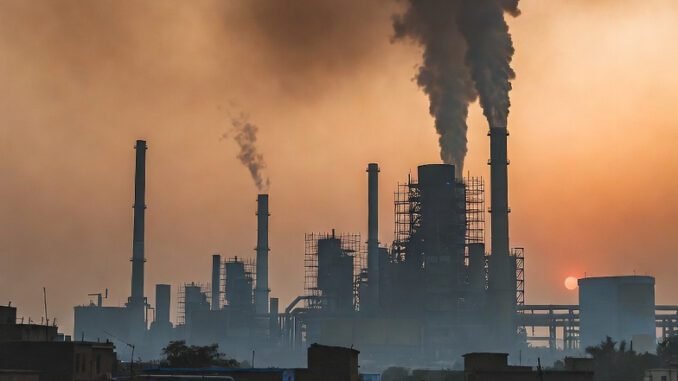
A SanvaadGarh Investigation | Korba, Chhattisgarh | February 25, 2026
While India champions climate leadership globally, a quieter reality unfolds in Korba, Chhattisgarh – one rarely covered in national headlines.
Adani Group is expanding its coal-based power capacity in one of India’s most polluted industrial districts. The Korba Thermal Power Plant expansion is presented as routine infrastructure growth. On the ground, it represents a silent power surge with deep climate and health consequences.
Expansion Without Noise, But Not Without Impact
Recent construction activity at Adani’s Korba facility includes new units, upgraded boilers, and supporting infrastructure. Officially, this meets rising energy demand. Unofficially, it locks in greater coal dependence at a time when climate science demands the opposite.
Korba already hosts one of India’s densest clusters of coal-based thermal plants. Air quality routinely exceeds safe limits. Respiratory illness is widespread. Fly-ash ponds scar the landscape. Yet capacity continues to grow.
The expansion has not generated public debate matching its scale, no sustained national scrutiny, no prime-time coverage. That silence is part of the story.
The Carbon Contradiction
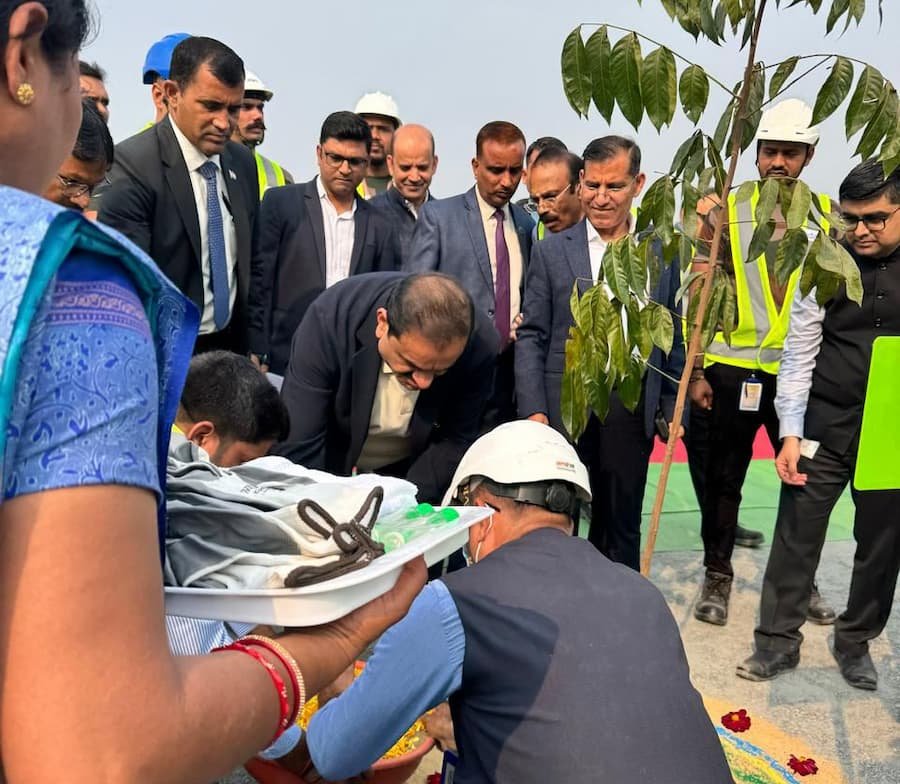
India has committed to reducing emissions intensity and reaching net-zero by 2070. Adani Group highlights its solar parks and green energy portfolio.
Yet coal remains central to its power strategy.
Each new thermal unit commits decades of emissions long after key climate deadlines. Experts describe this as “carbon lock-in”: infrastructure built today with 30–40 year lifespans makes future transitions more expensive and slower.
Korba’s expansion forces a difficult question:
Are climate commitments shaping policy or merely decorating it?
Health Costs That Never Appear in Balance Sheets
For Korba residents, climate change is not theoretical it is coughs, hospital visits, and contaminated water.
Local doctors report elevated asthma, bronchitis, and skin disorders. Villagers describe nights when ash falls like grey snow. Health impact assessments remain outdated or hard to access.
Power output figures are public.
Health damage figures are not.
This imbalance shields companies while exposing communities.
Clearances, Consent, and the Democratic Gap
Large projects require environmental clearances and public hearings. Residents say consultations often occur late, with limited information and little space for meaningful dissent.
Once approvals are secured, enforcement weakens. Pollution monitoring is often periodic. Penalties when levied are treated as operating costs.
What is absent is accountability that matches the scale of impact.
A Question India Must Answer
The Korba expansion is not only about Adani.
It is about how India chooses its energy future and who bears the true cost.
If climate goals can coexist with expanding coal infrastructure without serious debate, then those goals are symbolic, not structural.
If progress is measured only in megawatts not in breathable air, healthy children, or preserved futures then development itself becomes extractive.
The power surge may be silent.
Its consequences will not be.


Be the first to comment